



Our Work: Women-Centered Pathways
Women & Climate Justice
Supporting women to lead climate adaptation, environmental protection, and sustainable green livelihoods
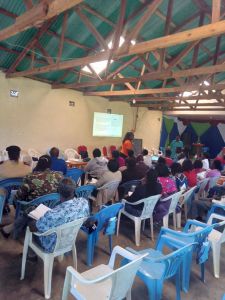
Girls & Young Women’s Leadership
Building the power, voice, and leadership of adolescent girls and young women to shape their futures and influence policy.
Women, Justice & Survivor Leadership
Advancing survivor-centered justice, protection, accountability, and healing through women-led systems.
Women & Inclusive Development
Ensuring women and girls with disabilities and marginalized identities access rights, services, and leadership opportunities
Our Ecosystem
Open Gate Foundation serves as a women-centered anchor organization, supporting a growing ecosystem of autonomous women-led organizations and movements.
Through governance support, fiscal hosting, and strategic coordination, we enable women’s initiatives to grow sustainably while retaining their independence.
Why Women’s Leadership Matters
When women lead, communities are safer, more resilient, and more just.
Across rural and urban communities in Kenya, women are already driving solutions to climate impacts, violence, and inequality. Open Gate Foundation exists to remove barriers, shift power, and ensure women’s leadership is recognized, resourced, and sustained.
Stand With Women Leaders
Join us in building a future where women and girls lead solutions and thrive